Word Wednesday – too cute for words
I’ve got a secret. It’s something I don’t say out loud too often because when I do people react badly. Some gasp, some try to convince me that I’m crazy, and others look at me like I’ve suddenly grown a second head. You can stop reading now if you want, I understand.
Still with me? Okay then… here goes: I don’t love babies. But you work with kids” – is the initial reaction I hear most often. Yes I do… I work with kids – NOT babies. The other common reaction is “But you’re SO good with them, they love you”. This is true – I have been the ‘baby whisperer’ at several churches that I have attended over the years. I have a knack for getting little ones to calm down and go to sleep. Babies don’t generally scream for long with me – I can think of one infant over the past decade who I was unable to win over: my friend’s middle child. Her older sister loved Auntie Jenn while she was wary of pretty much everyone else outside of her immediate family. The youngest was pretty much okay with me from day one – even though he very much preferred mommy to everyone. The middle one, however, hated me. She howled, refused to sleep, and was generally inconsolable from the minute her parents left until the moment they came back. I tried every trick in the book, but until she turned a year old, that kid was NOT a fan of Auntie Jenn. Now? She loves me – I get huge hugs, pretty pictures drawn for me, and she’s even cried before school one morning when I told her I wouldn’t still be there when she got back.
It’s not that I don’t love my friend’s babies – but it’s because of their parents, not because I have an innate love for newborns. Once they are a few months old and are doing things? Bring ‘em on. Seriously – I love the mischief they get into once they’re mobile, and love the look that a toddler will give you when they’re clearly breaking the rules but are testing the line to see how much they can get away with. It’s just the first few months, before their personality really starts to show through, that I could take or leave. I do quite enjoy making baby blankets for those first few months, and will gladly hold a baby so that the mom can grab food, shower, or even just sit for a few minutes on her own; but I’m not the woman who wants to hold random babies at the store because she ’misses how it feels’. Granted I haven’t had one of my own, but I have helped raise one and have held more babies than I can count and my feelings haven’t changed – they’re cute, and fun to play with for a few minutes, but after that I’m done. I will, however answer the same question from a 2 year old 100 times without blinking. I’ll calmly deal with the tantrum throwing toddler and hand them back with a smile on my face. Maybe I just like a challenge. I know quite a few people who don’t like newborns because they’re too fragile. Except they’re not really – yes you have to pick them up carefully, and there are proper ways to hold them, but in general, if you leave them in the crib for a moment while you pee, you’re not going to do any lasting psychological damage.
I did fall in love with my best friend’s kids pretty much immediately, but again… I didn’t spend a ton of time with either of them until they were a few months old and more able to interact. I’d also volunteer to entertain the older one so that she could get some ‘bonding time’ with the younger one. Brilliant eh? My best friend and her husband made a couple of really adorable babies. We had an the inside joke when someone would complement her on the adorable baby, “yeah, I returned the non adorable one” (I’m fairly certain it wasn’t actually said out loud), then again knowing us, it may well have been.
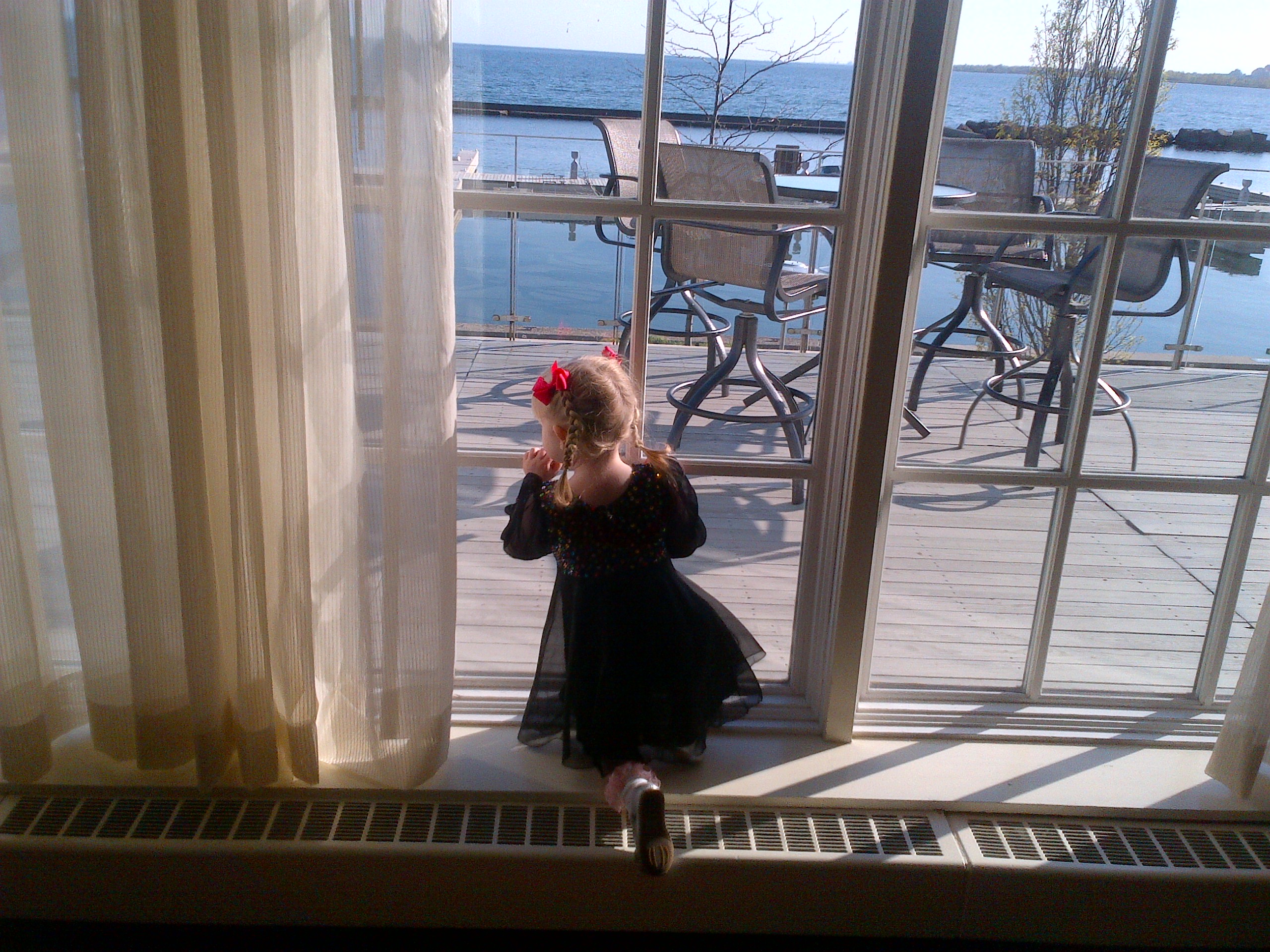
I fell even more in love once their personalities began to show through. The older one was a perfectionist from the start, always watching and learning. He had deep thoughts at two that I wasn’t prepared for – and still blows me away with the depth and breadth of his thinking, his thoughtfulness, and his truly kind spirit. His sister is what my mum would call spirited. I remember babysitting them once and in the 15 seconds it took me to help the older one find something, she was trying to scale the fridge. She has the smile of an angel, but woe to the person who underestimates her. Much like Mary Tyler Moore, the kid has spunk. Looking at them solidifies the nature / nurture debate in my mind – the kids were raised by the same parents in much the same environment, but the personalities are so very different. Where one is quietly contemplative the other is a fearless performer. Of course there were physical differences too – While the older one had a bit of baby fuzz on his head at birth, the little one came out practically needing a haircut. I remember one of the first words that came into my head when I saw her picture was “what a little moppet”. I’m not sure why that word has been in my head lately, but it has been so it’s today’s Word Wednesday word.
Moppet is more commonly used in England / Great Britain than it is here, and even then it’s predominantly only used by the older generation but I think it’s a great word. The word is from the 17th century -the Middle English word moppe meant little child or baby doll and -et is a diminutive suffix. There is a school of thought that moppe may have come from the Latin word mappa which meant napkin – hence the rag doll connotation. I’m not sure if I buy that, but it’s an interesting thought.
%{include image.html url=“/wp-content/uploads/2016/09/coollogo_com-169574418.png” alt=“Stylized word Moppet” description=“Moppet”}
Moppet (mop·pet) Noun
A small endearingly sweet child.